

|
| Image: pxfuel.com |
The Silent Crisis: Understanding Homelessness in Sri Lanka
Homelessness is a pressing global issue, and Sri Lanka is no exception. While the country is world-renowned for its stunning landscapes, rich culture, and resilient population, it simultaneously grapples with a growing number of individuals who lack a safe place to call home. The plight of the homeless population reflects a complex interplay of shifting economic, social, and political dynamics that directly threaten vulnerable citizens.
Breakdown of the Homeless Crisis
| Core Factor | Primary Drivers & Triggers | Impact on Vulnerable Groups |
|---|---|---|
| Socio-Economic Barriers | Economic disparities, inadequate job opportunities, and lack of basic educational access. | Pushes marginalized individuals to the fringes of society without regular income options. |
| Urban Expansion | Rapid urbanization paired with a steadily rising cost of living across major sectors. | Renders safe, affordable structural housing a distant dream for a vast portion of the public. |
| Environmental Displacement | Sudden natural disasters, predominantly seasonal floods and destructive landslides. | Forces families immediately out of stable settings into highly precarious living situations. |
Severe Impacts on Vulnerable Demographics
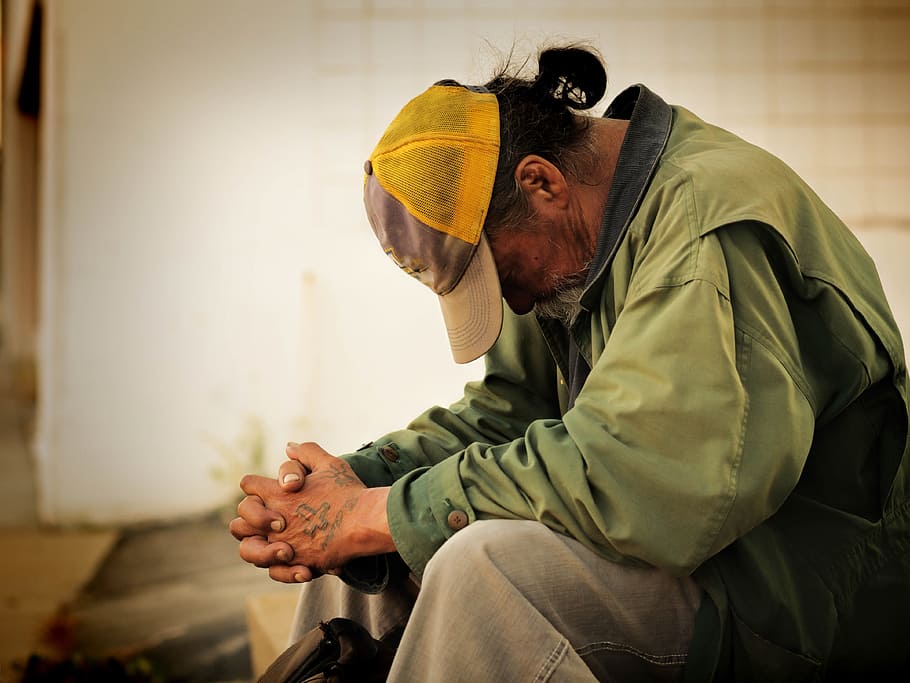
Homelessness disproportionately threatens vulnerable demographics, specifically women, children, and the elderly. Women forced onto the streets encounter vastly elevated risks of exploitation and physical violence. Concurrently, children growing up without stable home structures are routinely denied necessary access to formal education and essential developmental services, which tragically perpetuates the cycle of generational poverty. Furthermore, senior citizens—who should ideally be enjoying their twilight years in comfort—find themselves struggling daily simply to survive on the streets, frequently devoid of proper healthcare metrics or basic social safety nets.
Daily Obstacles and Social Isolation
- Critical Health Risks: Severe lack of access to clean drinking water, proper sanitation, and routine healthcare services poses critical, ongoing health risks.
- Systemic Social Stigma: Pervasive social stereotypes and discrimination actively isolate these individuals, creating steep hurdles against social reintegration.
- Mental Health Tolls: Prolonged exposure to the harsh realities of street life frequently drives risks of substance abuse and profound mental health challenges.
Various non-governmental organizations and progressive government initiatives are actively working to build supportive frameworks. The deployment of dedicated homeless shelters, targeted vocational training systems, and social rehabilitation services aims to provide immediate temporary relief while empowering individuals to permanently escape the cycle of homelessness.
A Structural Call for Change
While definitive progress has been made, comprehensive strategies are required to dismantle the root causes of systemic displacement. This demands a multi-faceted approach involving aggressive affordable housing initiatives, improved nationwide access to public education and healthcare, and robust economic strategies to combat poverty and unemployment. Cultivating public awareness and systematically challenging existing social stereotypes remains essential to building an inclusive society where every individual is treated with fundamental human dignity.
Conclusion
Homelessness serves as a stark reminder of the social inequalities that persist within developing nations like Sri Lanka. As the country actively grows, prioritizing the well-being of its most vulnerable citizens is paramount. By rectifying underlying socioeconomic causes and providing holistic support structures, the nation can establish a future where every citizen enjoys a safe and secure place to live.